
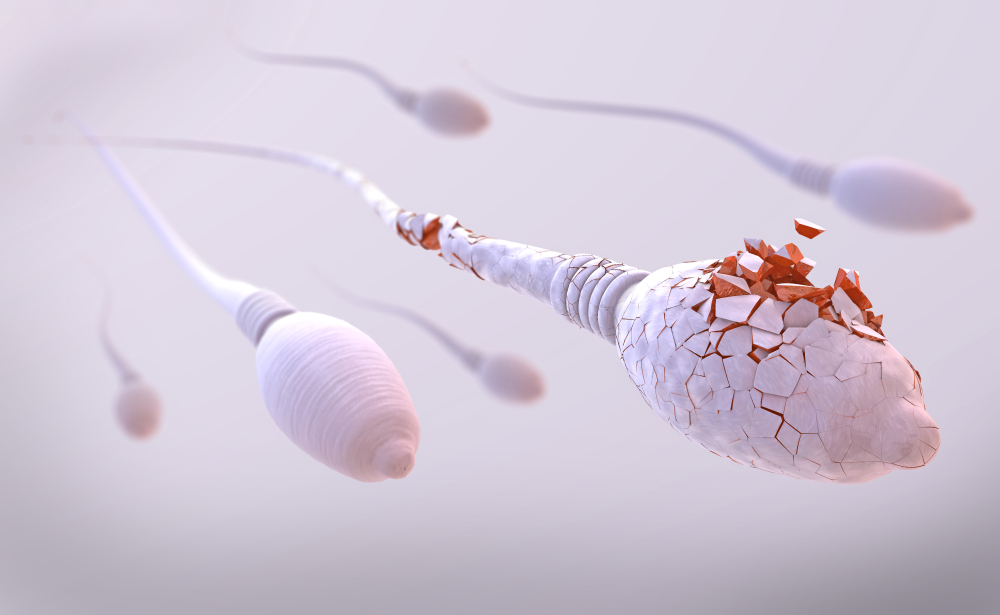
Fertility challenges affect many couples, and one of the common causes on the male side is oligospermia, or low sperm count. Since sperm count plays a crucial role in conception, understanding this condition and finding ways to manage it effectively can make a real difference.
In this blog, let’s explore what oligospermia is, why it happens, and the steps you can take to improve fertility.
What is Oligospermia?
Oligospermia refers to having fewer sperm in semen than what’s considered normal. According to the World Health Organization (WHO), a healthy sperm count is 15 million sperm per milliliter of semen or higher. Anything below this level is considered low.
Doctors often categorize oligospermia into:
- Mild: 10–15 million/ml
- Moderate: 5–10 million/ml
- Severe: Less than 5 million/ml
The lower the sperm count, the more difficult natural conception becomes—but with the right treatment, chances of parenthood can still be high.
Common Causes of Oligospermia
Several factors may lead to low sperm count, such as:
- Hormonal imbalances (like low testosterone)
- Varicocele (enlarged veins in the scrotum)
- Infections in the reproductive system
- Obesity, smoking, or alcohol use
- Prolonged exposure to heat (saunas, tight clothing, hot tubs)
- Stress and poor sleep patterns
- Genetic or medical conditions
Symptoms You Might Notice
Often, oligospermia doesn’t show clear symptoms until couples face difficulties conceiving. However, some possible signs include:
- Reduced sexual desire
- Erectile problems
- Pain or swelling in the testicles
- Decreased body or facial hair (linked to hormonal issues)
Diagnosis of Oligospermia
A semen analysis is the most common way to diagnose oligospermia. It measures sperm count, movement (motility), and shape (morphology). In some cases, additional hormone tests, ultrasound, or genetic screening may be needed to find the exact cause.
Managing Oligospermia Effectively
1. Medical Treatments
Depending on the underlying reason, doctors may recommend:
- Hormonal therapy or medications
- Surgery to correct varicocele or blockages
- Fertility treatments such as IVF or ICSI, which can help even in severe cases
For specialized care, you can explore Oligospermia Treatment in Mumbai at trusted fertility centers that provide advanced diagnostic and treatment options.
- Lifestyle Changes
- Maintain a healthy weight and stay active
- Quit smoking and limit alcohol
- Manage stress through yoga, meditation, or simple relaxation practices
- Avoid prolonged heat exposure
- Prioritize adequate sleep and rest
- Nutrition Boost
Adding fertility-friendly foods to your diet can improve sperm health:
- Zinc-rich foods (pumpkin seeds, nuts, seafood)
- Vitamin C & E (citrus fruits, spinach, almonds)
- Folic Acid (leafy greens, legumes)
- Omega-3 fatty acids (fish, walnuts, flaxseeds)
Can Oligospermia Be Treated?
Yes, in many cases. Lifestyle improvements, timely medical care, and advanced fertility treatments can greatly increase the chances of successful conception. Even couples facing severe challenges often find hope through options like Low Sperm Count Treatment in Mumbai, which combines expert guidance with modern reproductive technologies.
Final Thoughts
Oligospermia can feel discouraging, but it’s not the end of the journey to parenthood. With proper diagnosis, targeted treatment, and a healthier lifestyle, men with low sperm count can significantly improve fertility outcomes.
At Dr. Ankita’s Fertility Center, we specialize in advanced fertility solutions designed to address male infertility challenges like oligospermia. With expert guidance, state-of-the-art technology, and a patient-first approach, our team is committed to helping couples achieve their dream of parenthood.
If you are looking for reliable and result-oriented care, explore Oligospermia Treatment in Mumbai and take the first step toward a brighter future for your family.