
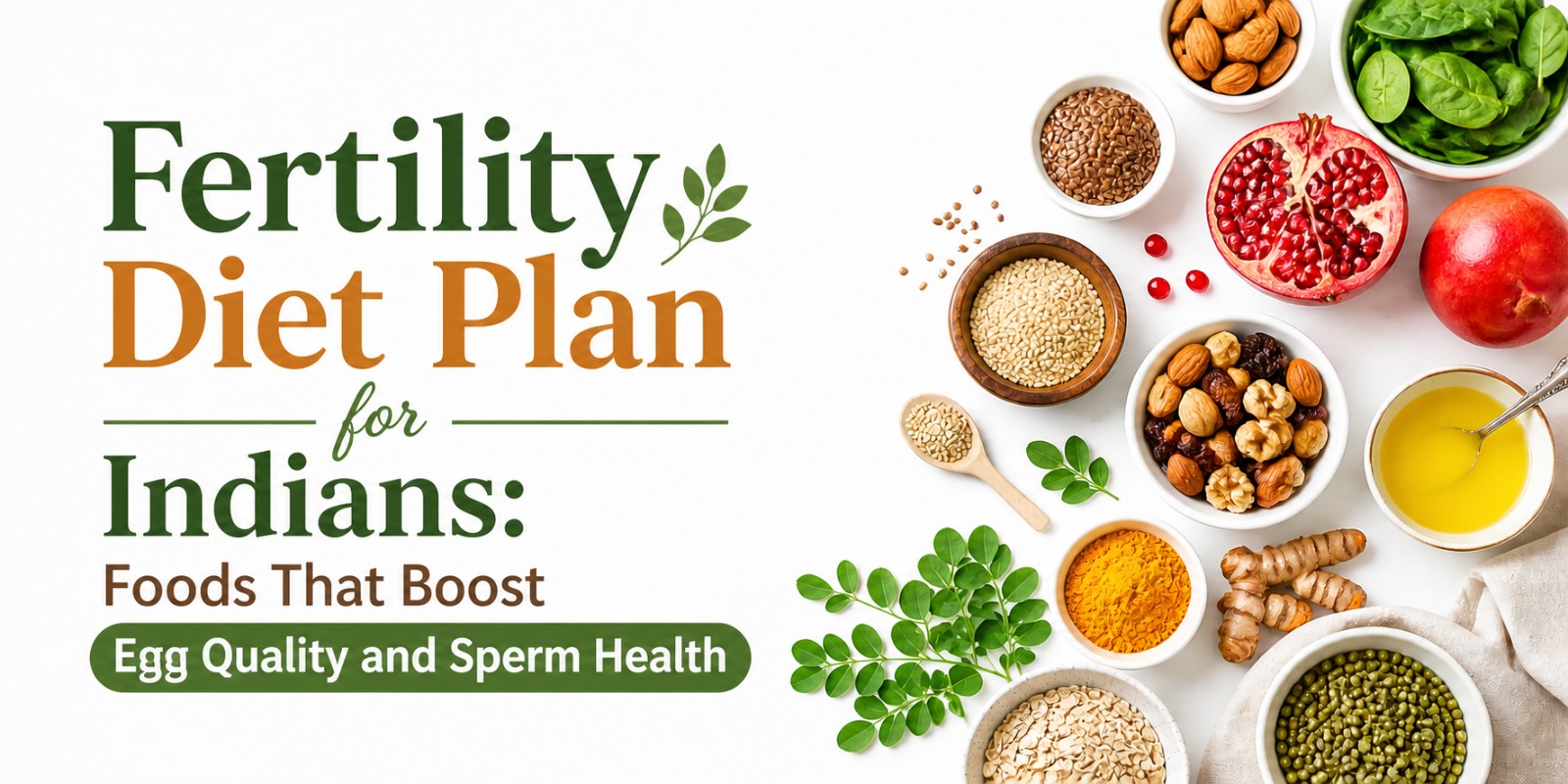
Most people underestimate how deeply food choices influence the journey to parenthood. For couples working toward conception whether naturally or through assisted methods like IVF nutrition quietly works as one of the strongest biological levers you can pull. Dr. Ankita, a trusted name in reproductive wellness, consistently highlights that building the right plate can meaningfully shift your conception odds. Whether your path is natural or medically assisted, learning which foods to boost egg quality naturally is one of the smartest first steps you can take.
How Your Diet Shapes Fertility
The health of both eggs and sperm is closely tied to three internal factors: oxidative stress, systemic inflammation, and hormonal disruption, each of which responds directly to dietary input. A well-planned fertility diet helps neutralize free radical damage to reproductive cells, brings hormones back into balance, enhances circulation to the ovaries and uterus, and delivers the micronutrients required for proper cellular division and development.
Here is the encouraging part Indian kitchens are naturally loaded with fertility-supportive ingredients. Many Indian foods to boost egg quality are already sitting in your pantry or on your daily thali. The key is knowing which ones deserve more attention.
Top Indian Foods That Boost Egg Quality Naturally
1. Ghee (Clarified Butter)
A staple of Indian cooking and Ayurvedic medicine, ghee delivers fat-soluble vitamins A, D, E, and K that are foundational to hormone synthesis and the process of egg maturation. Traditionally revered as a reproductive strengthening, adding a small spoonful of desi ghee to everyday meals like dal or sabzi can quietly support your endocrine system over time.
2. Sesame Seeds (Til)
Tiny but nutritionally significant, sesame seeds supply generous amounts of zinc a mineral directly involved in egg cell development and progesterone secretion. Their healthy fat content also strengthens the integrity of egg cell membranes. Work them into til laddoos, chikkis, or simply scatter them over salads for an easy daily addition.
3. Moringa (Drumstick Leaves)
Few Indian ingredients match moringa when it comes to fertility nutrition. It delivers a concentrated combination of iron, calcium, folate, and antioxidants in a single green. Its ability to reduce oxidative damage at the cellular level makes it particularly valuable, since oxidative stress remains one of the primary drivers of diminished egg quality. Even two to three servings of moringa dal or soup per week can be genuinely impactful.
4. Turmeric (Haldi)
The curcumin present in turmeric is well-established as both an anti-inflammatory and antioxidant agent. Prolonged low-grade inflammation can quietly compromise ovarian function and reduce sperm motility turmeric actively counters this. A daily habit as simple as haldi in your curry or a warm cup of turmeric milk before bed can help maintain a healthier internal environment for reproduction.
5. Flaxseeds (Alsi)
Flaxseeds bring two fertility-specific benefits to the table: omega-3 fatty acids that reduce inflammation and lignans that gently modulate estrogen activity. Both contribute to a more balanced hormonal profile and a healthier uterine lining. Ground flaxseeds blend easily into roti dough, smoothies, or a bowl of curd without altering the taste significantly.
6. Lentils and Legumes (Dal)
Dal is not just comfort food it is a fertility staple. Lentils and legumes collectively deliver plant protein, folate, and iron in highly accessible forms. Folate holds particular importance in the preconception phase, as it actively supports egg maturation and plays a protective role against neural tube defects in the earliest weeks of pregnancy.
Which Fruits and Dry Fruits Boost Egg Quality?
Dr. Ankita advocates for building antioxidant-rich fruits and nutrient-dense dry fruits into every fertility diet. Here is a practical breakdown:
Fruits:
- Pomegranate – Enhances uterine blood circulation and offers a robust concentration of antioxidants that shield egg cells from oxidative damage
- Papaya – A strong source of folate and vitamin C that supports hormonal regulation (best avoided once pregnancy is confirmed)
- Avocado – Supplies vitamin E alongside heart-healthy monounsaturated fats, both of which reinforce egg cell membrane structure
- Berries (strawberries, blueberries) – Among the highest antioxidant-containing fruits, actively working to reduce cellular stress in both eggs and sperm
- Banana – Offers vitamin B6, a nutrient that plays a key role in regulating reproductive hormone levels
Dry Fruits:
- Walnuts – A standout plant-based source of omega-3s with documented benefits for both egg and sperm quality
- Almonds – Deliver vitamin E in meaningful quantities, providing direct antioxidant protection to maturing egg cells
- Dates (Khajur) – Supply iron and natural energy that support uterine health and overall reproductive stamina
- Figs (Anjeer) – A time-honored Indian fertility food, rich in iron, calcium, and folate
- Raisins – Contribute iron and boron, two nutrients that work together to keep estrogen levels in a healthy range
Making a small handful of mixed dry fruits, particularly walnuts and almonds, part of your morning routine is among the most effortless and effective dietary habits for fertility support.
Best Foods to Boost Egg Quality for IVF
The 90-day window leading up to egg retrieval is when nutritional choices carry the greatest weight. During this preparation phase, the best foods to boost egg quality for IVF are:
- CoQ10-rich foods – Present in fish, lean meats, and broccoli, CoQ10 fuels mitochondrial activity within egg cells, directly influencing their energy levels and developmental potential
- Whole grains – Bajra, jowar, brown rice, and oats offer sustained energy release along with B vitamins that regulate reproductive hormones
- Full-fat dairy – Growing evidence links full-fat options like whole milk, fresh paneer, and curd to stronger ovulatory function compared to their low-fat counterparts
- Eggs – Choline and vitamin D found in eggs contribute to healthy follicular development
- Leafy greens – Methi, palak, and spinach stand out as concentrated sources of iron and folate, both directly tied to egg health
During IVF preparation, consciously cutting out processed foods, trans fats, added sugars, and excess caffeine is equally important these are well-recognized disruptors of egg quality and embryo viability.
Foods That Support Sperm Health
Reproductive health is never a solo effort. Dr. Ankita regularly reminds couples that sperm-related factors contribute to roughly 40–50% of fertility challenges, making male nutrition just as critical as female nutrition.
Key foods for sperm health include:
- Zinc-rich foods – Pumpkin seeds, chickpeas, and lean red meat support healthy testosterone levels and improve sperm motility
- Lycopene-rich foods – Tomatoes, watermelon, and guava have been linked to better sperm shape and structural quality
- Ashwagandha – An adaptogenic herb with solid research backing its ability to raise sperm count and enhance motility
- Dark chocolate – Contains L-arginine, an amino acid associated with improved sperm count and overall quality
Simple Daily Fertility Diet Tips for Indians
- Begin each morning with a few soaked walnuts and almonds
- Make dal or another legume a non-negotiable part of at least one daily meal
- Include ghee in your cooking rather than replacing it entirely with refined oils
- Pair lunch with a seasonal fruit that offers vitamin C or antioxidant support
- Gradually swap refined grains for nutrient-rich millets such as bajra or ragi
- Wind down each night with a warm glass of turmeric milk
- Prioritize hydration 8 to 10 glasses of water daily keeps reproductive tissues functioning optimally
Final Thoughts
A fertility-supportive diet does not demand an overhaul of your entire lifestyle or a shelf full of imported supplements. The Indian food tradition has quietly housed some of the most potent reproductive nutrients for centuries. By making deliberate, consistent choices and centering your meals around foods to boost egg quality naturally, you are giving your reproductive system the biological raw material it needs.
As Dr. Ankita consistently tells her patients meaningful change begins at the dining table. Three months of thoughtful, steady nutritional choices can produce a measurable difference in egg quality, sperm vitality, and your overall prospects for conception.